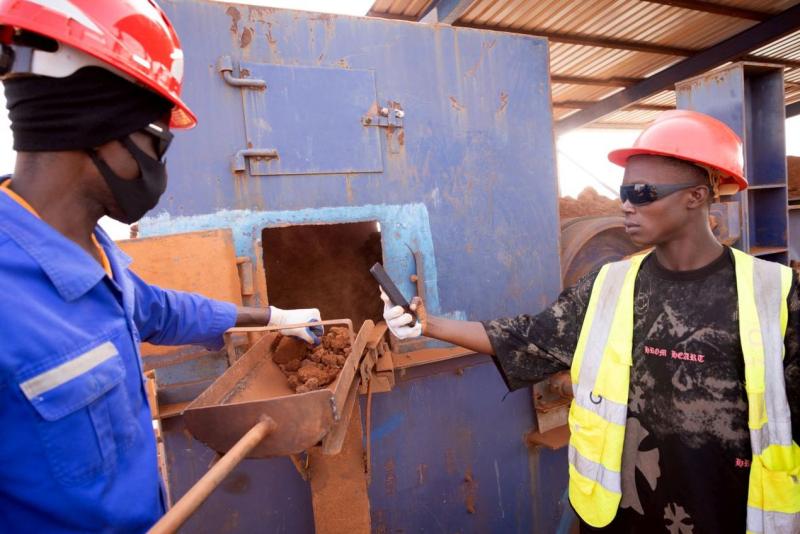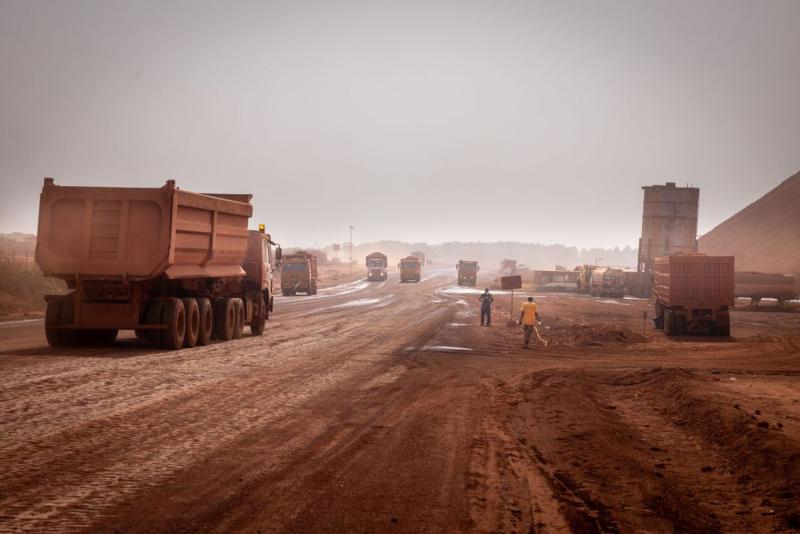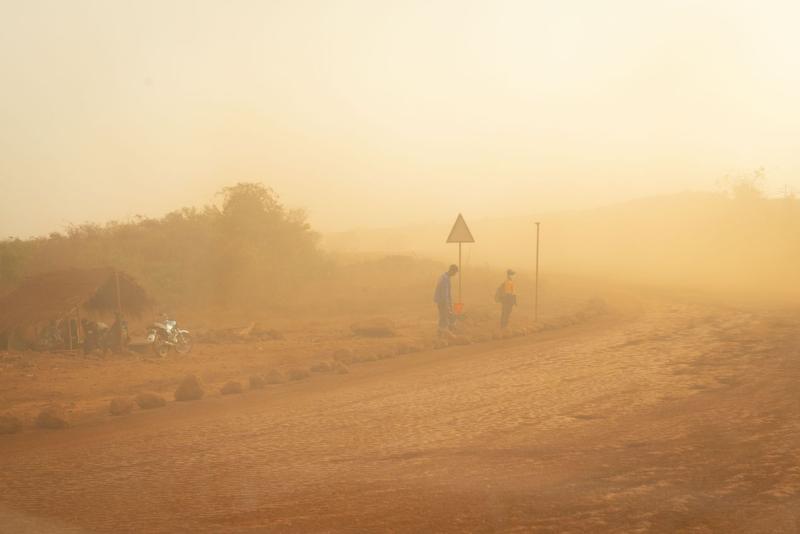
Guinea is relatively unknown in Belgium, but this West African country is not only a major gold producer but also the world’s largest producer of bauxite. Day and night, giant machines scrape bauxite from the earth’s crust; trains and trucks continuously transport the ore to major river ports, from where it is shipped to China and Europe to be used in aluminum production.
According to the International Monetary Fund (IMF), Simandou will boost Guinea’s economic growth to 10 percent this year, one of the highest rates in the world. The government is therefore presenting “Simandou 2040” as the flagship project that will drive the country’s development. At the same time, the economic momentum is already exceeding the country’s capacity, with heavy traffic in and around the capital, Conakry.
Morocco is home to a number of modern industries. Renault has its largest site in the world there, and Stellantis also manufactures cars there. Car production is approaching one million per year. Airbus has high-tech components manufactured there. A high-speed train takes you from Tangier to Casablanca in two hours. The country is blessed with plenty of sun and wind, and is gradually beginning to harness this green energy. With the 2030 FIFA World Cup on the horizon, there is further significant investment in roads, railways, airports and urban infrastructure. Even critical observers of the country acknowledge the transformation towards a nation with better infrastructure, new types of industrial employment and greater prosperity.
However, it is a transformation that leaves many behind. According to the latest IMF report, the Moroccan economy is growing by 4 to 5 per cent each year, whilst the population is increasing by less than 1 per cent. If that income growth were distributed equally, every Moroccan would see their income rise by 3 to 4 per cent per year. That is not the case and this inequality has its roots in agricultural and land policy.