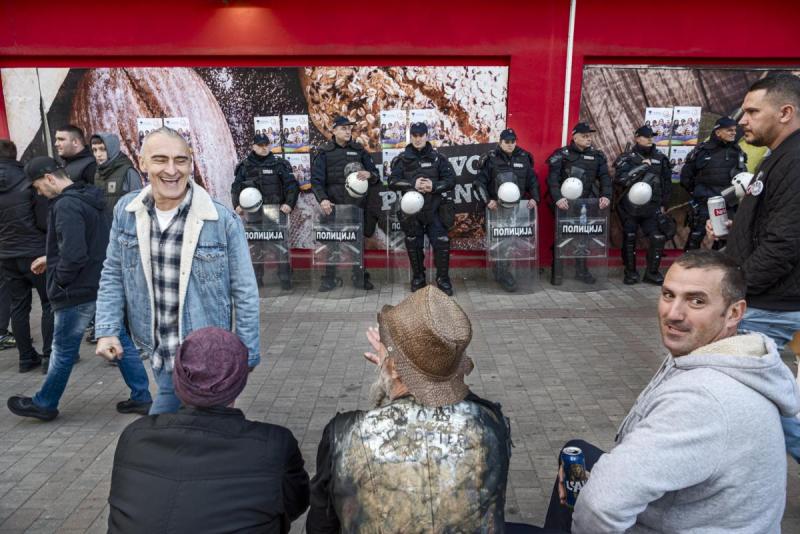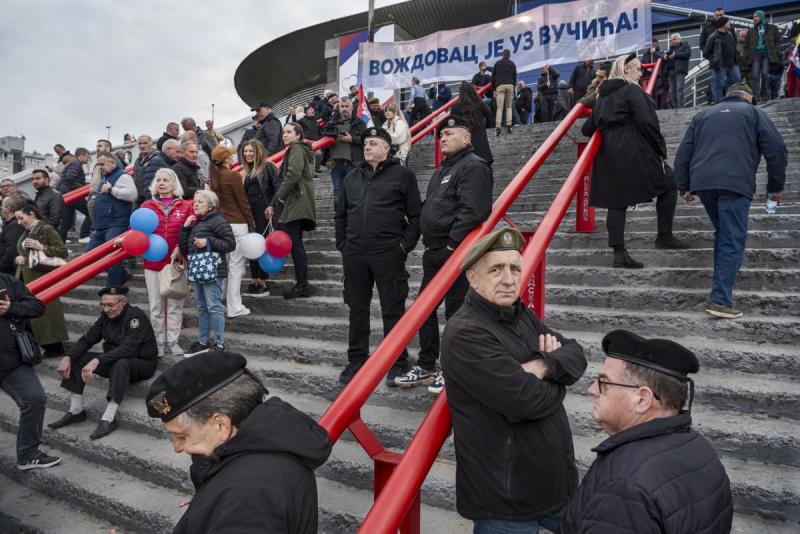
Simon Clément describes how students at various Serbian universities occupied faculties and organised themselves through open meetings (‘plenums’). The movement gained widespread support amongst the population and ultimately put pressure on the government to call early national elections, which are scheduled for before the end of 2026.
In the small town of Kula, where students themselves sought to participate in the elections, the report depicts a grim atmosphere rife with intimidation, masked thugs and dubious electoral practices. Vučić’s SNS party won there, but without a majority — a result the students see as a sign of his weakness in the run-up to the parliamentary elections.
Finally, the investigation also highlights Europe’s hesitant stance: despite human rights concerns, support remains limited, partly out of fear that Serbia might otherwise turn to Russia and China — and partly due to a vested interest in Serbian lithium.