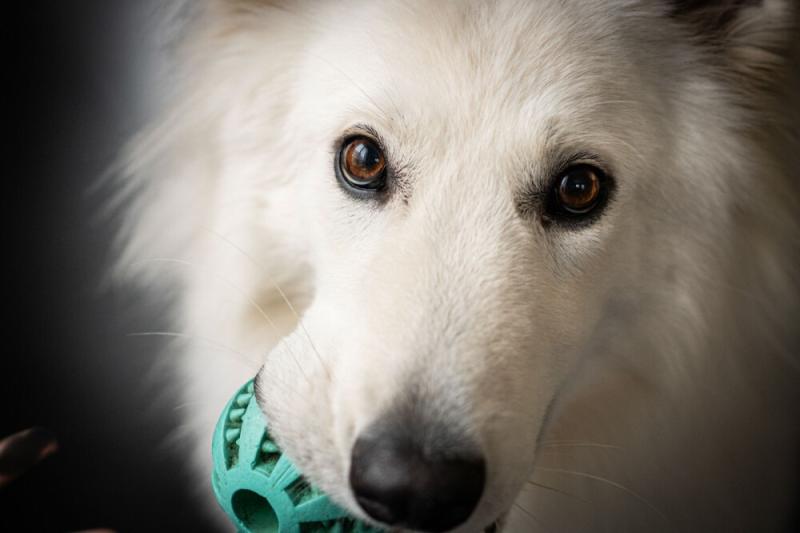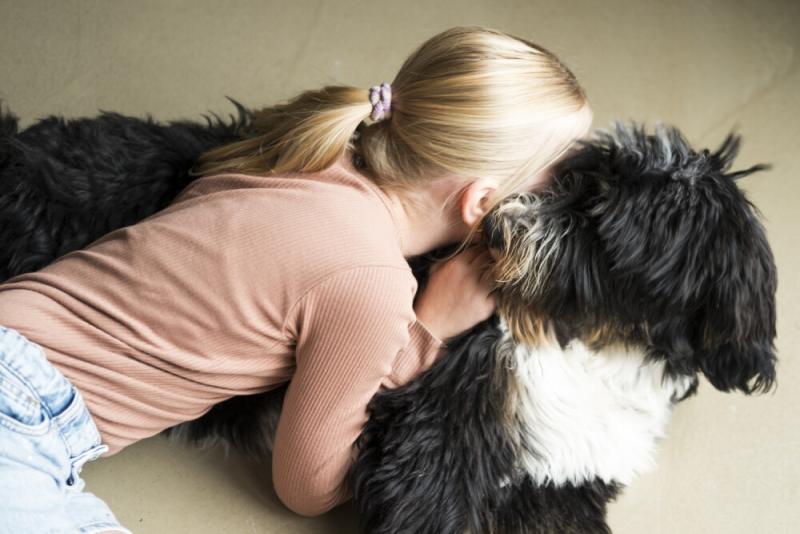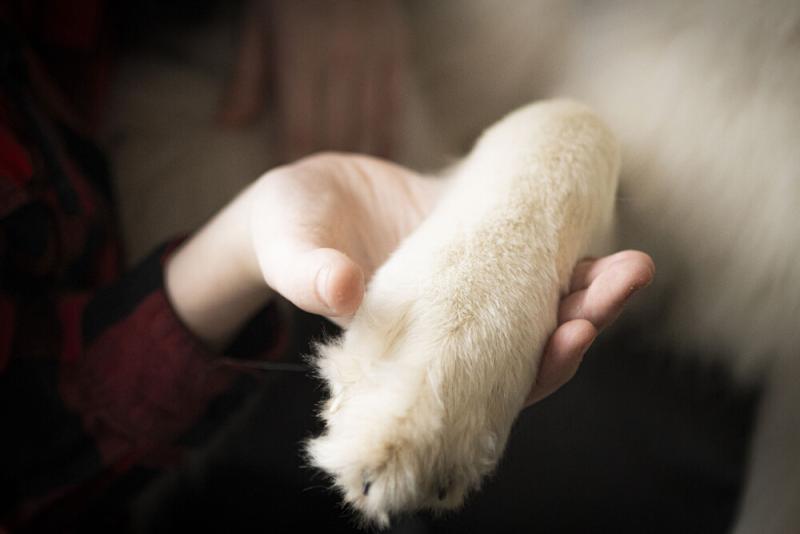
Unfortunately, many young people struggle with mental health issues. “Psychosocial” assistance dogs can make a huge difference for these individuals.
Such a dog is with its owner almost constantly. This gives them a sense of closeness and security that they often desperately need. Moreover, a psychosocial assistance dog learns to respond to and anticipate its owner’s symptoms, enabling the owner to better manage them. For example: the dog senses a panic attack coming on, alerts its owner, who can then take action to prevent the attack. If the attack does occur, the dog helps the owner overcome the panic.
In practical terms, this means that these young people can once again go out into the world—to school, to work—with some self-confidence. They can participate in society again, albeit sometimes to a limited extent. They learn to interact in a relaxed, loving, and responsible way with a creature that is there for them unconditionally, asks them no questions, and needs only good care. Research from the University of Groningen showed that these individuals end up in psychiatric care much less often, or not at all. In an overburdened healthcare system, that’s a win.
Not many people are aware of the power of therapy dogs. Hilde and Anita hope to raise awareness and visibility by compiling a book that shares the stories of these individuals, the fascinating science behind the canine brain, and the role these dogs can play in healthcare. It’s a beautiful and heartwarming book, packed with moving, practical, and interesting stories, as well as evocative photos.