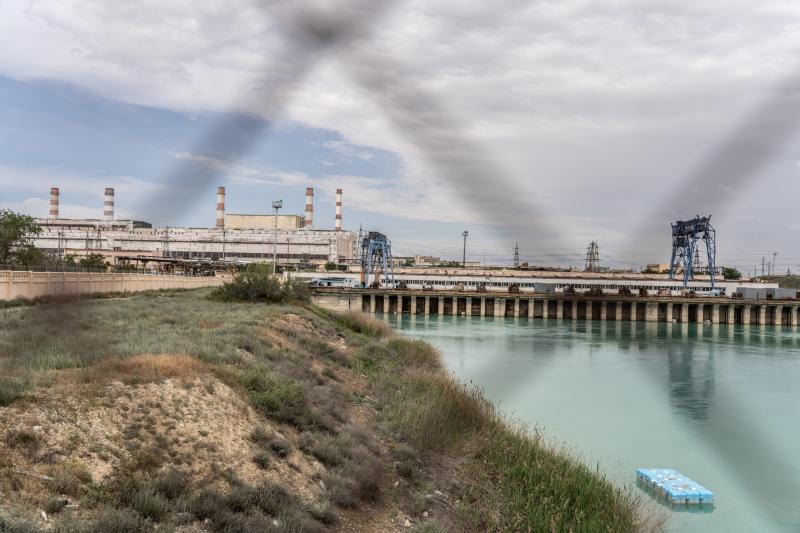
In the Kazakh port city of Aktau, this is clearly evident from the piers that now end in grassland, due to climate change but also to human activity.
The Volga, which supplies around 80 per cent of the water, is heavily regulated in Russia through dams and irrigation. Russia refuses to guarantee Kazakhstan a minimum water supply and blames the decline on the climate. As a result, water is becoming a geopolitical lever of power. A local volunteer predicts that water will become more expensive than oil in the future.
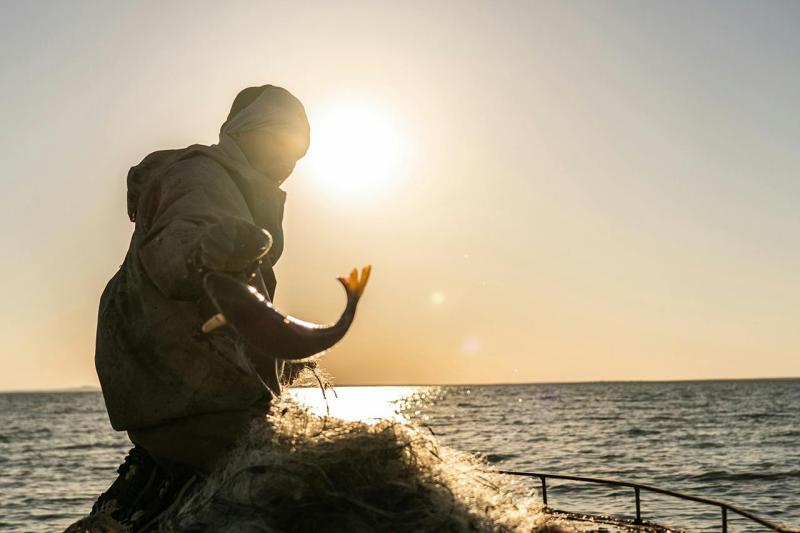
The consequences are severe. Over 90 per cent of the water in the Mangystau region comes from an ageing desalination plant that functions poorly at low water levels, meaning that the tap runs dry in some summers. The salinity levels fluctuate, and salt and pollution from the exposed sediment are spread by the wind. Sturgeon and Caspian seals have seen their numbers decline sharply: there are now around 70,000 seals left, compared with a million at the start of the 20th century. The Middle Corridor, the trade route between China and Europe that bypasses Russia, is also suffering from the decline: ships have to carry lighter loads and shipping channels must be dredged constantly.
The Netherlands is also involved in this in several ways. Since the sanctions against Russia were imposed, the Netherlands has been purchasing 5.1 billion euros’ worth of Kazakh oil annually. Shell is part of the consortium behind the polluting Kashagan oil field. Dredging companies such as Boskalis and Van Oord profit from keeping shipping channels open, and the Public Prosecution Service is investigating possible bribery in connection with contracts awarded to Van Oord.
Meanwhile, local citizens and organisations such as Eco Mangystau and Save the Caspian Sea are demanding greater transparency regarding environmental standards. They are invoking the Aarhus Convention in this regard, although their legal case against the Ministry of Energy has been dismissed at every level. Nevertheless, the prevailing belief amongst those affected in Aktau is that recovery is possible, “step by step, brick by brick”.