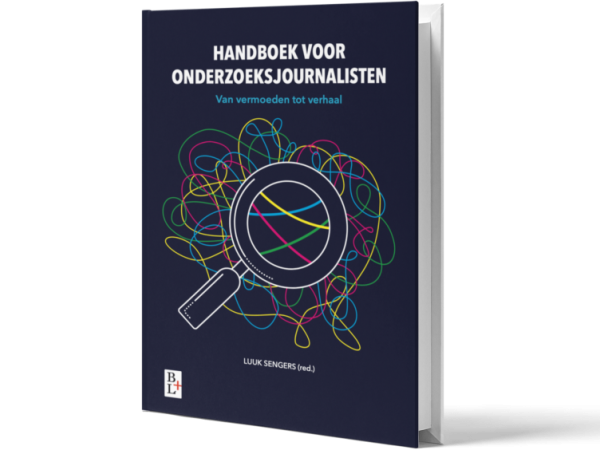
This is an indispensable book for investigative journalists and non-fiction writers looking to enhance their research skills. It brings together a wide range of classic and modern techniques in one place for the first time. The book takes readers through the research process, from developing an idea to writing a story. Each step is accompanied by useful tips and examples. The book is both an inspirational read and a reference work for every stage of journalistic research.
The authors' basic premise is that people are always interested in good stories — ones that are both informative and revealing, and well-told. They argue that the decline in viewing and circulation figures is partly due to the fact that the art of storytelling is no longer a central focus in newsrooms. This book is not only of interest to investigative journalists, but to all journalists. After all, the presented method is highly useful for journalists who must divide their attention between day-to-day newsroom reporting and long-term background stories.
- This is the first comprehensive book on investigative journalism techniques in the Dutch-speaking world.
- Leading Flemish and Dutch investigative journalists and trainers explain all stages of the investigation.
- The aim is to produce an engaging non-fiction story for online, print, radio or TV. Hence the strong focus on storytelling techniques.
- It combines 'traditional' techniques with the latest computer-assisted research (CAR) methods. The book also covers investigative methods from the social sciences and police investigations.
With contributions from Roger Vleugels, Mark Hunter, Henk van Ess, Peter Verweij, Wim Criel, Marcus Geers, Michaël Opgenhaffen, Jeroen Smit, Eric Hennekam, Marleen Teugels and Margo Smit.
Layout: Wendy De Haes / Cover design: Jan Middendorp